On Jul 28, 2020, at 12:05 PM, SuStel <sustel@trimboli.name> wrote:_______________________________________________On 7/28/2020 11:50 AM, Lieven L. Litaer wrote:
Am 28.07.2020 um 17:27 schrieb Will Martin:
You can see an image in a shiny surface (though you may need to magnify
the surface to see that image, as in the afore-mentioned chain mail).
You can’t generally see distinct images on any scale in glossy surfaces.
This is so far the most understandable difference I've seen so far --
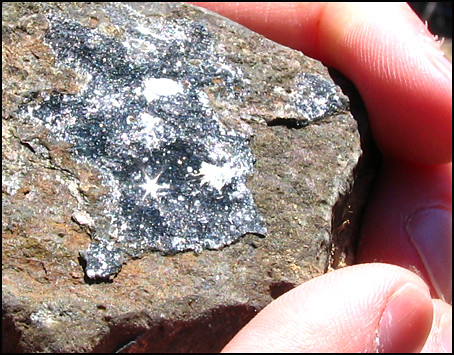
assuming it is correct.It's not correct. Shiny refers to being bright with reflected light, but that light doesn't have to form an image. Here's an example of a shiny rock in which you can see no image: https://live.staticflickr.com/30/47205584_b702fca504.jpg
Meanwhile, it can be possible to see images in glossy surfaces, but it's not required. Here's an example of a glossy bowl in which you can clearly see a reflection, but shiny would definitely not be the first word I reached for to describe the bowl: https://i.pinimg.com/originals/ce/bf/cd/cebfcd2baad882943314fcc8494c9def.jpg
And here's an example of an obsidian ball which clearly shows reflections, but which I certainly wouldn't call shiny: https://i.pinimg.com/originals/b5/4e/2c/b54e2ca6d37de723ccecafe1cfc78a73.jpg
--
SuStel
http://trimboli.name
tlhIngan-Hol mailing list
tlhIngan-Hol@lists.kli.org
http://lists.kli.org/listinfo.cgi/tlhingan-hol-kli.org